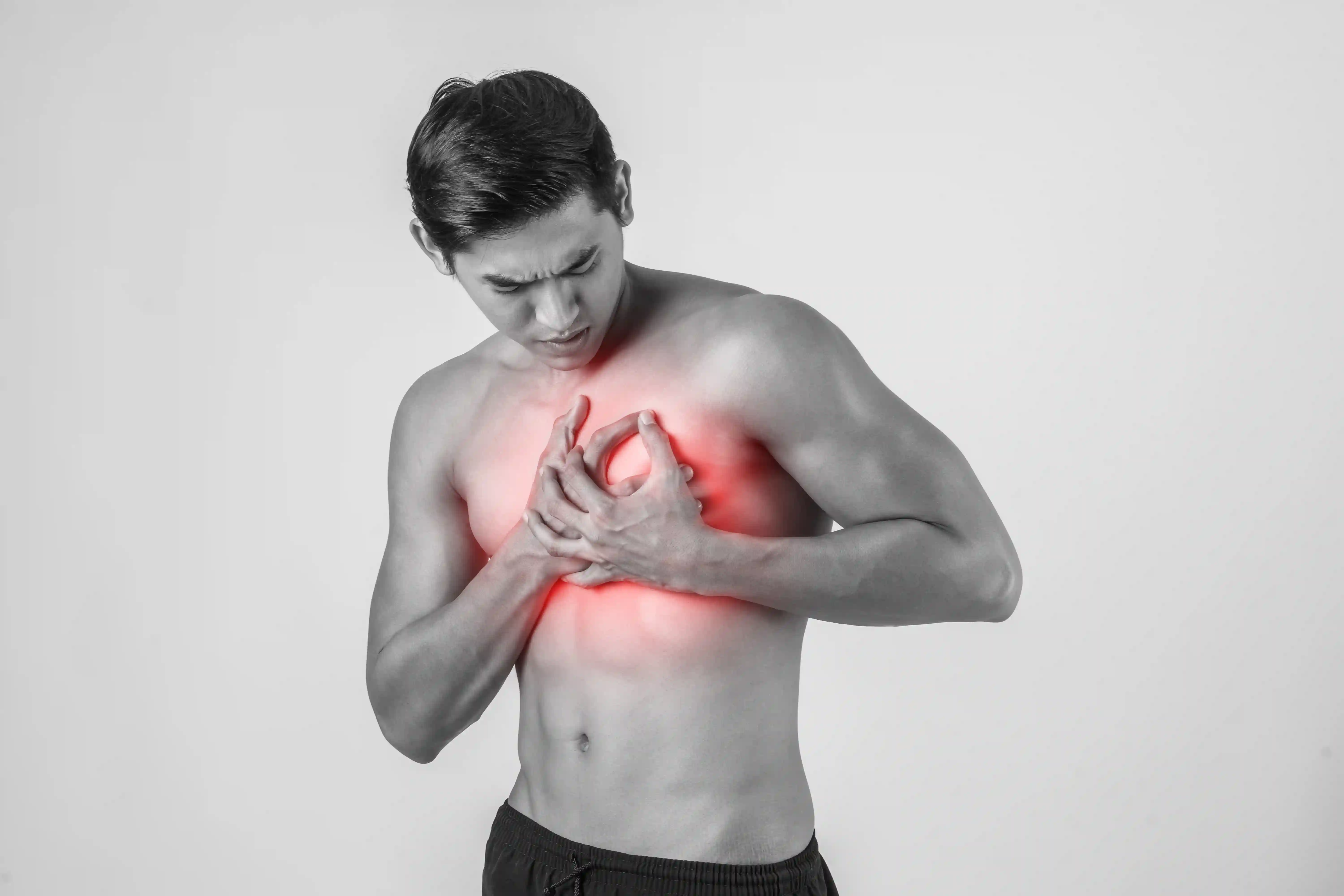
What are the symptoms of a heart attack?
A heart attack (myocardial infarction) occurs when a portion of the heart muscle does not receive enough blood.
The most common symptom is chest pain or discomfort. Pain in the middle or left side of the chest that lasts more than a few minutes or comes and goes; it may feel like unpleasant pressure, tightness or fullness.
Less commonly:
Dizziness or fainting
Pain or discomfort in the jaw, neck or back
Pain or discomfort in one or both arms or shoulders without chest pain
Shortness of breath with sudden‑onset chest pain can also be a sign of a heart attack.
A heart attack can sometimes be silent. This is more common in older adults and in people with diabetes.
In which age group is a heart attack most common?
Although a heart attack can occur at any age, incidence increases with age. Men over 45 and women over 55 have a higher risk than younger people.
Do heart attack symptoms differ by sex?
Symptoms and severity can vary from person to person. Some have severe chest pain; others have very mild pain or no symptoms at all. Symptoms are similar in men and women. However, in women:
Nausea
Vomiting
Atypical symptoms such as back and shoulder pain are somewhat more frequent than in men.
What causes a heart attack?
A heart attack occurs due to occlusion of one or more coronary arteries. Over the years, cholesterol and fats circulating in the blood accumulate on arterial walls, narrowing coronary arteries and causing atherosclerosis. This can lead to a heart attack.
Risk factors for coronary heart disease are also risk factors for heart attack.
Risk factors include:
Age
Family history of heart disease (before age 55 in male relatives and before 65 in female relatives)
High cholesterol and triglycerides
Hypertension
Diabetes
Smoking
Lack of physical activity
Overweight
Stress
Does COVID‑19 trigger a heart attack?
A heart attack due to clot‑related coronary occlusion after COVID‑19 is rare. However, after COVID‑19 the following are more common:
Myocardial injury
Fluid accumulation in the membrane around the heart
Anaemia
Low oxygen level
Complications such as worsened myocardial supply due to increased heart rate.
If symptoms occur after COVID‑19—such as shortness of breath, chest pain, palpitations—prompt cardiology evaluation is essential.
How is a heart attack treated?
After a heart attack, heart tissue is damaged more with each passing minute. Rapid restoration of blood flow helps prevent damage.
Treatment involves identifying the occluded vessel with coronary angiography along with medical therapy, then opening it with a stent or coronary artery bypass surgery, whichever is appropriate for the patient.
How can heart attack risk be reduced? What precautions should be taken?
Controlling risk factors that cause atherosclerosis also reduces heart attack risk. Family history, age and sex cannot be changed, but lifestyle changes reduce the risk of heart disease and thus heart attack.
Measures that reduce risk include:
Smoking cessation
Achieving weight control
Increasing physical activity
Learning to manage stress
In addition, blood pressure, blood glucose and cholesterol should be kept under control. Regular cardiology check‑ups allow early diagnosis of coronary disease that can cause a heart attack. Identifying and treating risk factors with regular biochemical tests, and diagnosing and treating hypertension are very important to prevent heart attacks.
Remember: it is a healthy life that makes life beautiful.
Höri • Embrach